Are solar panels worth it in Australia?
For most Australian homes with a decent north or west-facing roof, solar panels are absolutely worth it — with a typical payback of just 3–6 years, one of the fastest in the world. Australia's mix of strong sun, high electricity prices, and a generous federal rebate makes the economics hard to beat.
That said, solar isn't equally worth it for every home. This guide covers why AU payback is so fast, the factors that decide it, and the honest cases where solar doesn't stack up.
The short answer
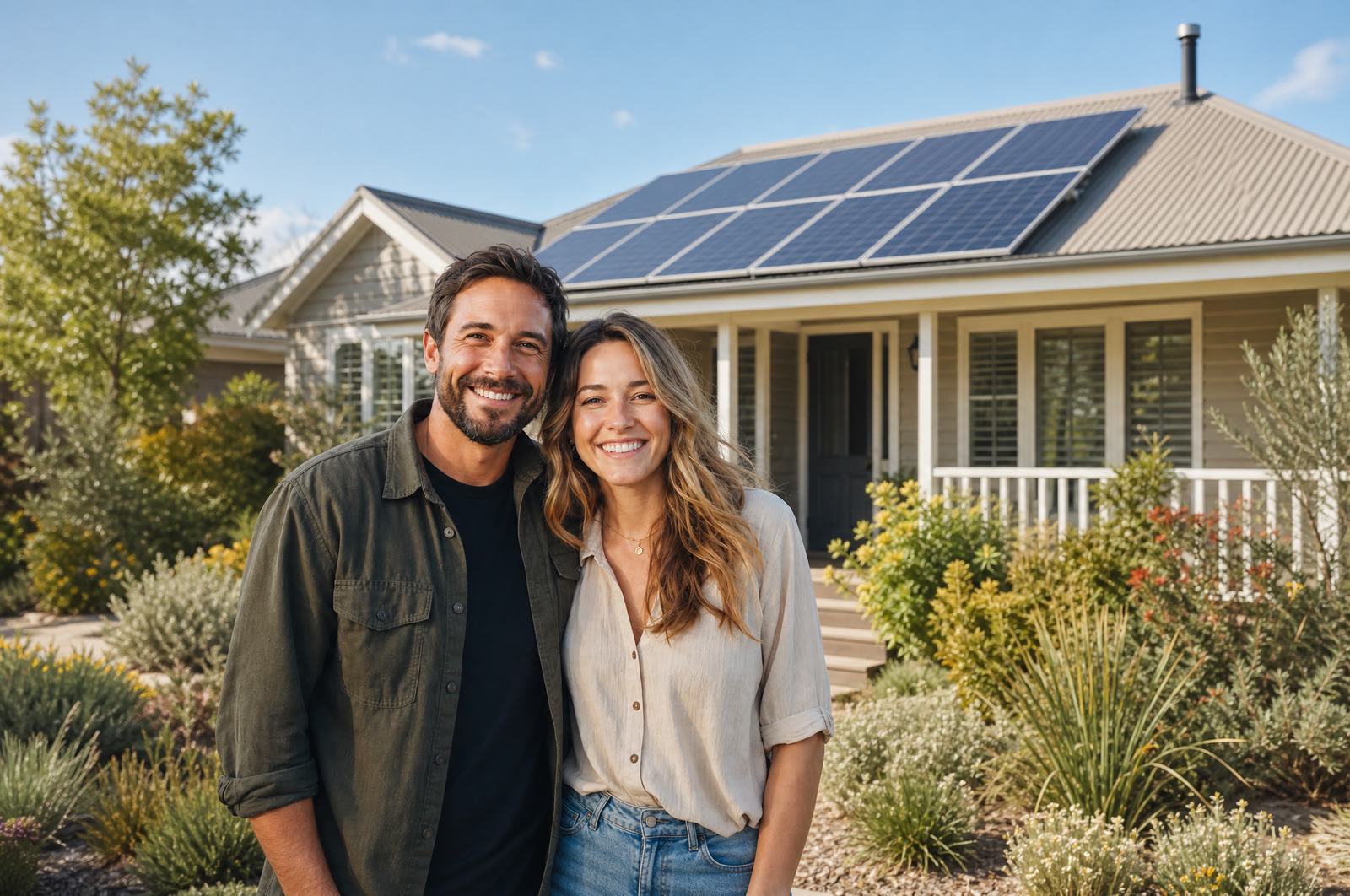
Solar is worth it for the large majority of Australian homeowners. Electricity is expensive here, the sun is abundant, and the federal rebate makes systems cheap upfront — so a typical 6.6 kW system pays for itself in a few years, then delivers largely free power for 15–20+ years.
It's clearly worth it if you have a north, east or west-facing roof with little shading, a reasonable power bill, and you use some power during the day. It's more marginal if your bill is very low, your roof is heavily shaded, or you're about to move.
Why solar payback is so fast in Australia
Australia has one of the quickest solar paybacks anywhere, for three reasons:
- Cheap systems — the federal STC rebate makes a 6.6 kW system cost around $5,000–$8,500. See Australian solar costs.
- Expensive electricity — high retail power prices mean every unit you self-generate saves a lot
- Strong sun — most of Australia gets excellent solar output year-round
Together these push typical payback to just 3–6 years. The rebate also applies to batteries — see Australian solar rebates.
The factors that decide it
- Your roof — orientation, pitch, shading and space. North-facing is ideal; east/west still work well; heavy shading hurts.
- Your power bill — the higher your bill, the more you save and the faster it pays back.
- When you use power — power used during daylight saves the full retail rate; exported power earns only the feed-in tariff. Daytime users pay back fastest.
- Whether you add a battery — shifts more of your usage to self-generated power, at extra upfront cost.
When solar is NOT worth it
Being honest matters — solar doesn't suit every situation. It's often not worth it if:
- Your power bill is very low — the savings may not justify the outlay
- Your roof is heavily shaded — trees or buildings can cut output too far
- You rent, or you're moving soon — though solar does add resale value
- Your roof needs replacing — better to sort the roof first
A reputable installer will tell you honestly if solar doesn't stack up for your home.
Is a solar battery worth it?
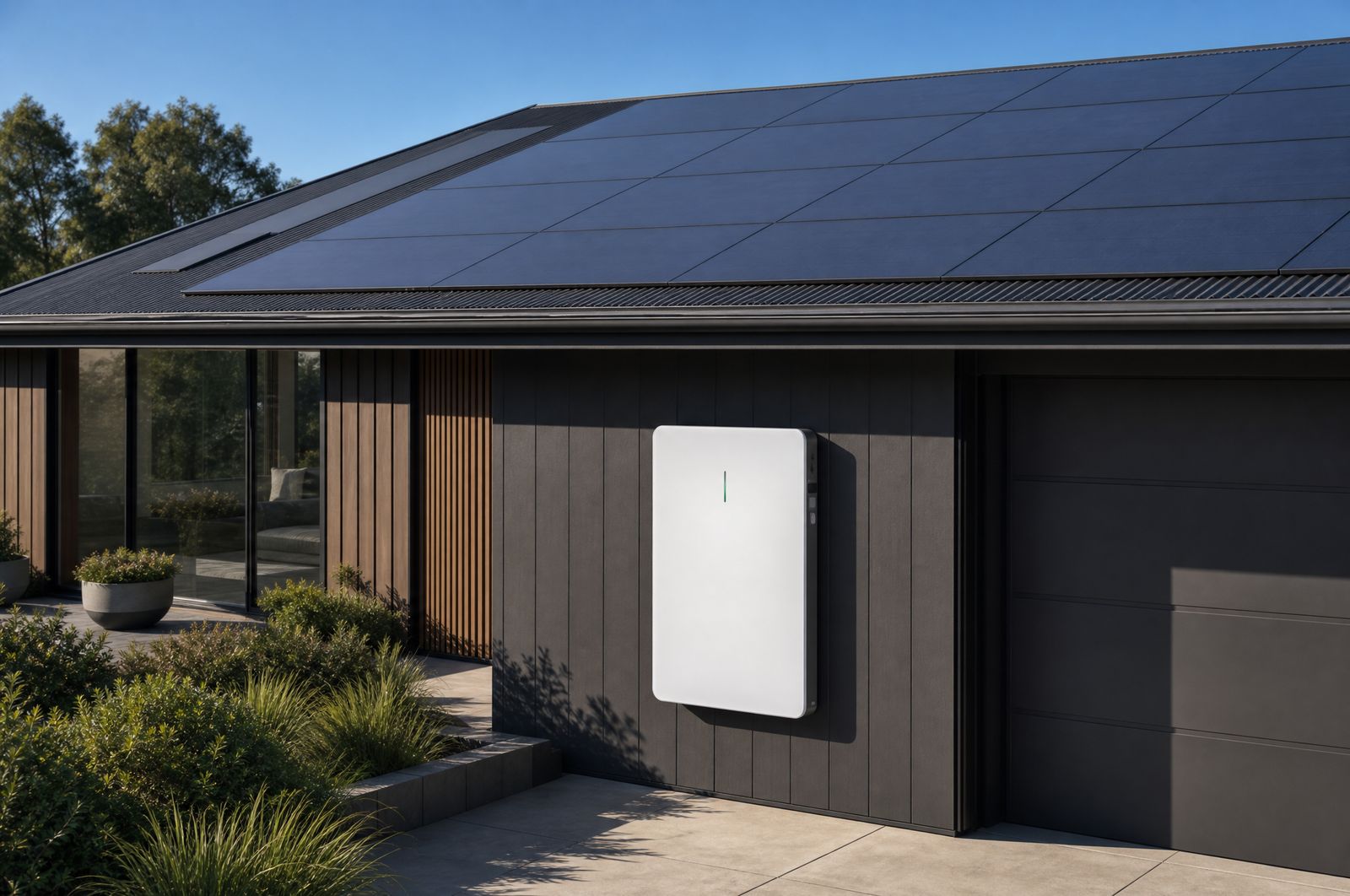
Batteries have become far more attractive since the federal battery rebate launched, cutting roughly 30% off the cost. A battery stores daytime solar for evening use and provides backup during outages.
It's most worth it if you have high evening usage or want backup power. The battery still adds meaningfully to the upfront cost, so many households start with panels and add a battery later. See the battery rebate and battery pricing.
Common questions
Are solar panels worth it in Australia?
For most homes with a decent roof, yes. Payback is typically 3–6 years — one of the fastest in the world — because systems are cheap after the federal rebate and Australian electricity is expensive. After payback you get largely free power for 15–20+ years.
What is the payback period for solar in Australia?
Typically 3–6 years for a well-sized system, depending on your roof, power bill, usage pattern, and location. Homes that use plenty of power during daylight hours pay back fastest.
Is a solar battery worth it in Australia?
Batteries became far more attractive with the federal battery rebate (around 30% off). A battery is most worth it for homes with high evening usage or who want backup power. It still adds to the upfront cost, so many start with panels and add a battery later.
Is solar worth it in Australia without the rebate?
Solar in Australia is quoted after the federal STC rebate, so the rebate is effectively built into the price. Even so, high power prices and strong sun mean the underlying economics are strong — the rebate simply makes an already-good case faster.
How many solar panels do I need?
Most Australian homes suit a 6.6 kW system (about 15–16 panels), sized to daytime usage. Larger households or homes with EV charging may want 10 kW. Your installer sizes it precisely at the free assessment.