Solar rebates in Australia — what you can claim in 2026
Australia's main solar rebate is the federal Small-scale Renewable Energy Scheme (SRES), which cuts thousands off the upfront cost of a rooftop system through Small-scale Technology Certificates (STCs). On top of that, a federal battery rebate covers roughly 30% of a home battery's cost, and most states run their own schemes that stack on top.
The exact amounts depend on your system size, location, and the year you install — and the rules change, so this guide explains how each rebate works and how they fit together in 2026. Your installer calculates the current value and applies it to your quote.
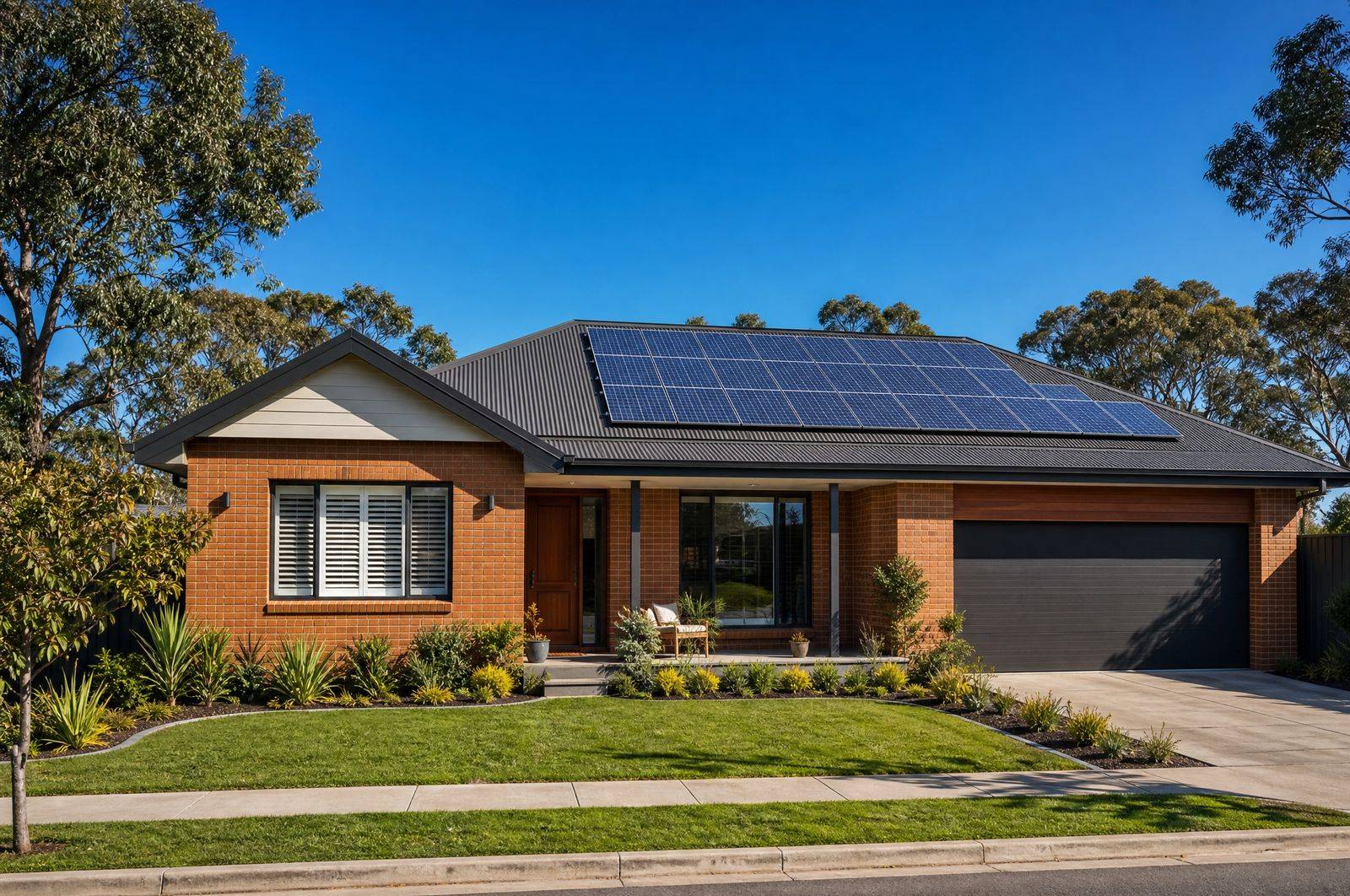
The federal solar rebate (STCs)
The Small-scale Renewable Energy Scheme (SRES) is what most people mean by "the solar rebate." It isn't a cash payment — it's a set of Small-scale Technology Certificates (STCs) your system earns, which your installer typically trades in and applies as an upfront discount on your quote.
How many STCs your system earns — and how much they're worth — depends on:
- System size — bigger systems earn more certificates
- Your location — sunnier zones earn more per kW
- The install year — the scheme steps down each year and is legislated to end in 2030, so the discount shrinks over time
For a typical 6.6 kW system this discount is usually worth several thousand dollars. Because it reduces annually, installing sooner captures more of it. The scheme is administered by the Clean Energy Regulator.
The federal battery rebate (Cheaper Home Batteries)
The federal Cheaper Home Batteries Program began on 1 July 2025 and gives an upfront discount of roughly 30% off the cost of an eligible home battery, applied the same way as STCs.
Changes from 1 May 2026: the program's funding was expanded, but the discount now steps down every six months (rather than yearly), and the per-kWh discount became tiered by battery size — the full rate applies to the first portion of capacity, with reduced rates on larger batteries. As with the solar STC discount, the value is highest the earlier you install.
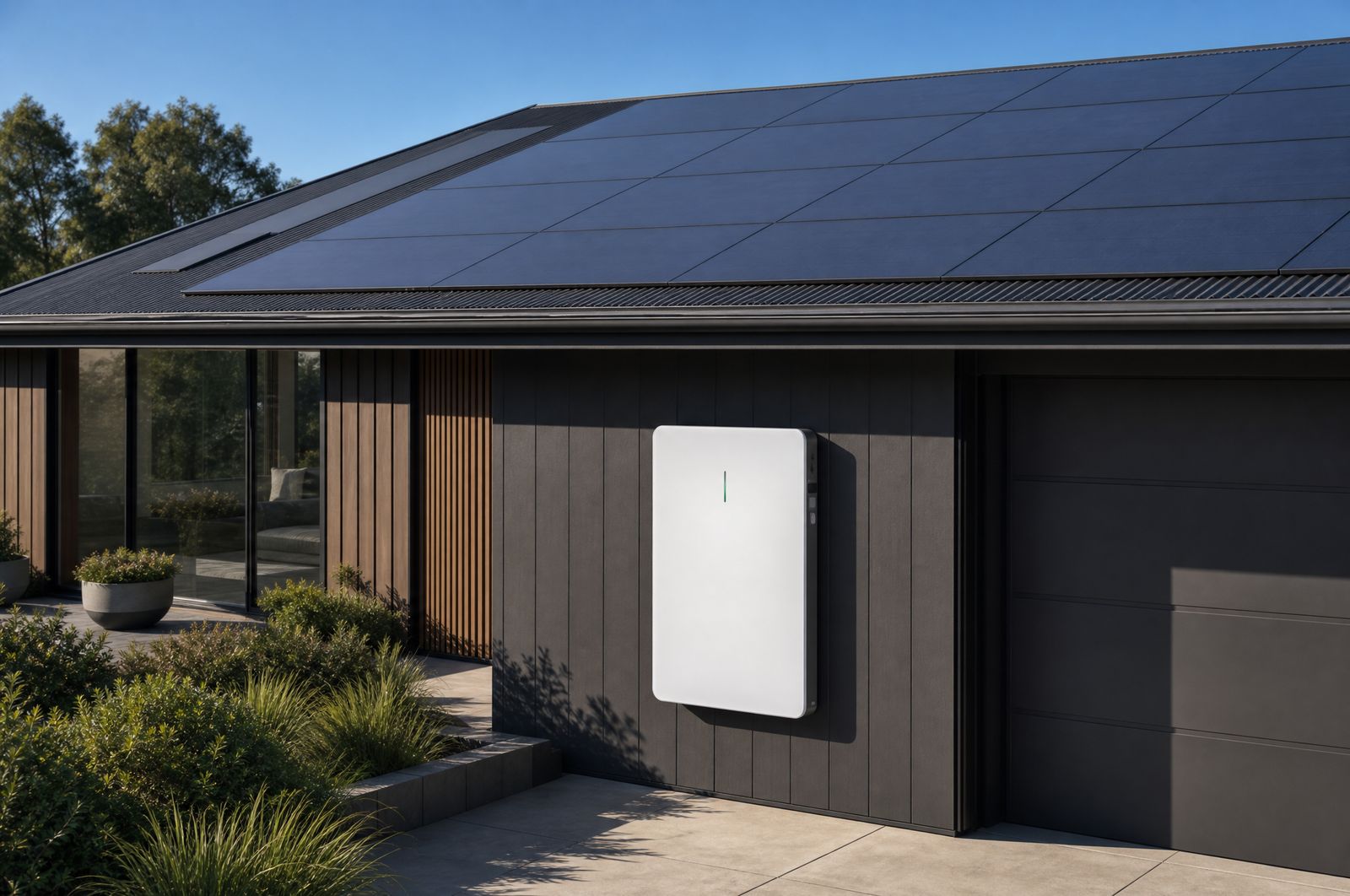
Exact figures depend on your battery's size and the install date — your installer calculates the current amount at your assessment.
State solar & battery schemes
On top of the federal rebates, most states and territories run their own programs that stack with the federal discount. These change often and vary widely, so treat this as a starting point and confirm current details for your state:
- Victoria — Solar Victoria runs the Solar Homes Program (panel and battery support plus interest-free loans)
- New South Wales — incentives via the Peak Demand Reduction Scheme and battery programs
- Queensland — periodic battery and solar programs plus feed-in tariffs
- ACT & Tasmania — interest-free or low-interest loans for solar and batteries
- SA & WA — strong feed-in / buy-back arrangements; check current state offers
State schemes open, close, and change funding regularly. Your local installer will know what's currently available where you live and factor it into your quote.
Feed-in tariffs
Separate from the rebates, your electricity retailer pays a feed-in tariff for surplus solar you export to the grid. Rates vary by state and retailer and change regularly, so it's worth comparing retailers once your system is running. Feed-in credits are part of the ongoing return on solar, alongside the bill savings from the power you use yourself.
How to claim your rebate
The good news: you generally don't claim the federal rebates yourself. Your accredited installer handles the STC and battery-rebate paperwork and applies the discount directly to your quote, so the price you're quoted is usually already net of the federal rebate.
- Use an accredited installer — required for the system to be eligible for STCs
- Get more than one quote — so you can compare the net price after rebates. See how much solar costs in Australia.
- Check your state scheme — some state rebates or loans do need a separate application
Wondering if it all adds up? See whether solar is worth it, or get a free assessment with the rebates applied to your quote.
Common questions
How much is the solar rebate in Australia in 2026?
The federal STC discount typically cuts several thousand dollars off a 6.6 kW system, depending on size, location, and install year. It steps down annually and is legislated to end in 2030, so installing sooner captures more. Your installer applies it directly to your quote.
Is there a battery rebate in Australia?
Yes. The federal Cheaper Home Batteries Program, which began 1 July 2025, gives roughly a 30% upfront discount on an eligible home battery. From 1 May 2026 the discount steps down every six months and is tiered by battery size.
Do state solar rebates stack with the federal rebate?
Yes. State and territory schemes (such as Solar Victoria, and NSW and Queensland programs) generally stack on top of the federal STC and battery rebates. State offers change often, so confirm current details for your state.
Is the Australian solar rebate ending?
The federal STC solar scheme steps down each year and is legislated to end in 2030. The battery rebate also reduces over time. Neither ends suddenly, but the discount is larger the earlier you install.
How do I claim the solar rebate?
You usually do not claim the federal rebates yourself — your accredited installer handles the STC and battery-rebate paperwork and applies the discount to your quote. Some state rebates or loans require a separate application.