Solar Rebate South Australia: What You Can Actually Claim in 2026
South Australia has no standalone cash rebate for solar panels. SA households claim the same federal Small-scale Technology Certificate (STC) discount available nationwide, plus — for battery storage specifically — the state-run SA Home Battery Scheme and the federal Cheaper Home Batteries Program, which can be combined.
If you're searching for a "solar rebate South Australia" households can claim, that's the honest answer: what South Australian homeowners actually get is the same federal point-of-sale discount available in every state — Small-scale Technology Certificates (STCs) — plus, if you're adding a battery, the state-run SA Home Battery Scheme and the federal Cheaper Home Batteries Program, which can stack together.
This guide breaks down exactly which incentives apply to SA installs, what they're actually worth, and how to claim them without overpaying or missing a discount your installer should be applying automatically.
What SA solar incentives are actually available
There's no SA-specific cash rebate that applies only to solar panels — that's a common misconception, often carried over from other states' one-off programs. South Australian households claiming solar incentives in 2026 are working with three separate mechanisms:
- Federal STCs — a point-of-sale discount on the panel and inverter system itself, applied by your installer, available in every state including SA.
- SA Home Battery Scheme — a state government subsidy specifically for battery storage, not panels.
- Federal Cheaper Home Batteries Program — a national battery-specific discount that can be claimed alongside the SA scheme (see combining incentives below).
The national solar rebate guide covers the STC scheme and state comparisons in full — this page focuses on what's specific to South Australia.
Federal STCs: the national discount that applies in SA
STCs are created under the Small-scale Renewable Energy Scheme (SRES), administered by the Clean Energy Regulator. When you install eligible solar panels, your system generates a number of certificates based on its size, your location's solar "zone," and the number of years left before the scheme's legislated step-down (the deeming period). Your installer typically assigns these certificates to a registered agent in exchange for an upfront discount on your quote — most SA households never see the paperwork.
South Australia sits in a favourable STC zone rating, so the certificate value per kilowatt installed is comparable to Queensland and NSW, and higher than Tasmania or Victoria. The exact dollar discount moves with the STC market price and the scheme's step-down schedule, so it's not a fixed number — typically it discounts a meaningful share of the upfront system cost, and your installer's quote should show it as a line-item deduction, not a vague "included." For the current certificate value and zone ratings, the Clean Energy Regulator publishes the authoritative figures.

Two things catch SA homeowners out: first, the STC discount only applies to Clean Energy Council-approved panels and inverters installed by a CEC-accredited installer — an uncertified install forfeits it entirely. Second, the certificate value is set at the time of installation, not the time of quoting, so a quote that's gone stale by a few months may need re-checking before you sign.
SA Home Battery Scheme: the state's actual solar-adjacent subsidy
The SA Home Battery Scheme, run by the South Australian Government, is the closest thing the state has to a dedicated solar incentive — but it's specifically for battery storage, not panels. It provides a subsidy toward the upfront cost of an eligible battery system installed by an approved provider, with the subsidy amount varying by household circumstance (concession card holders generally receive a higher subsidy tier than standard applicants) and capped per system.
Because subsidy tiers, caps, and the approved-provider list are reviewed periodically by the state government, we're deliberately not quoting a specific dollar figure here that could be out of date by the time you read this — check the official SA Home Battery Scheme page for the current subsidy amount and eligibility criteria before budgeting against it.
Key eligibility points that have held consistent across the scheme's operation:
- The property must be in South Australia and the applicant must hold the relevant electricity account.
- The battery must come from the scheme's approved product and provider list — not every battery on the market qualifies.
- Batteries are typically expected to pair with (or already have) rooftop solar, since the scheme's goal is shifting self-generated solar into evening use, not just backup power.
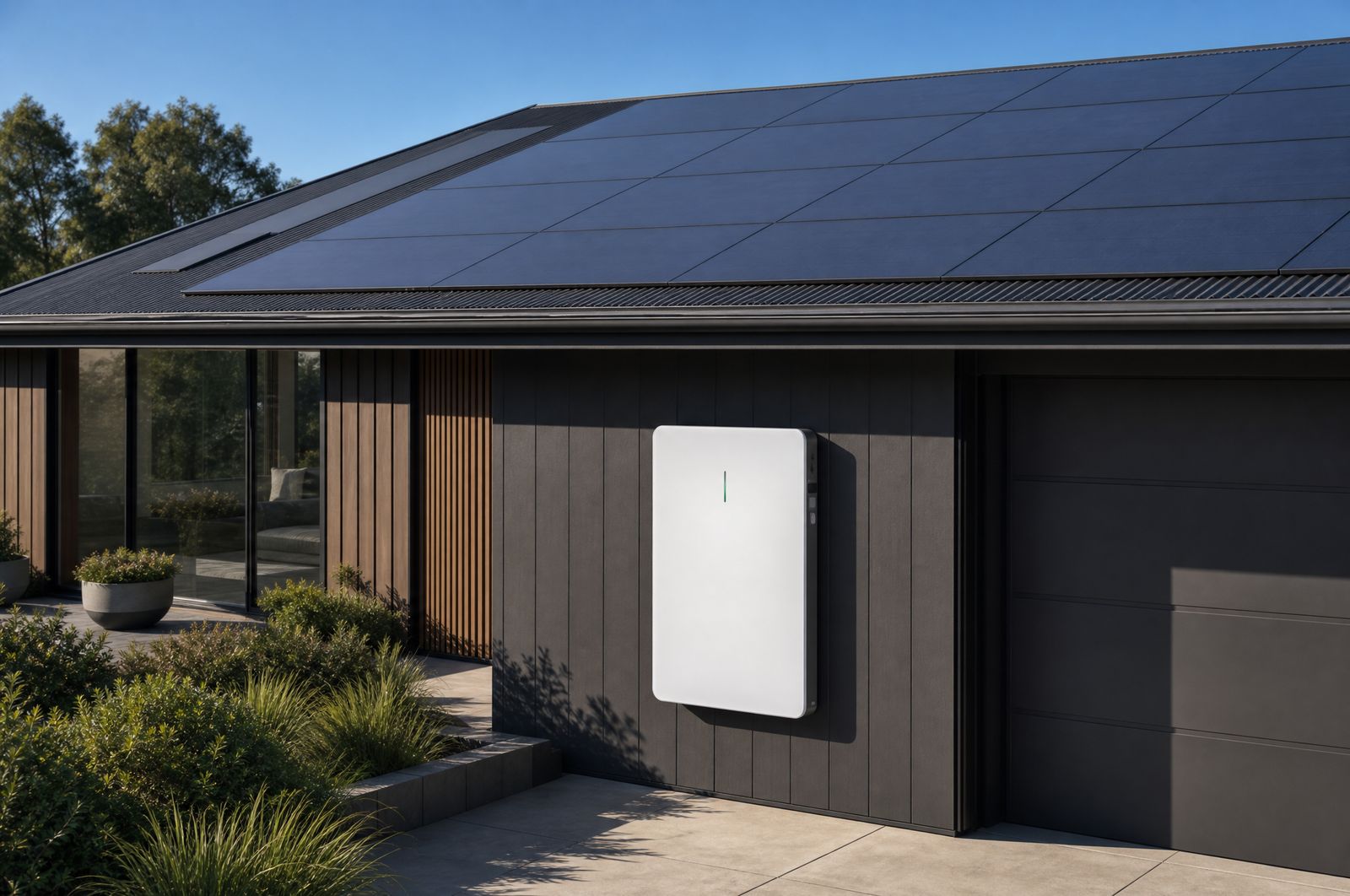
Combining the SA scheme with the federal battery rebate
Since 2025, the federal Cheaper Home Batteries Program has offered its own nationwide, STC-based discount on eligible battery installs, on top of whatever state-level support exists. In South Australia, households have generally been able to apply the federal discount and the SA Home Battery Scheme subsidy to the same install, because they're administered by different levels of government against different parts of the cost — but stacking rules can change, and the approved-battery lists for each scheme don't always match exactly.
Before signing a contract, ask your installer for a written breakdown showing: (1) the system's unrebated price, (2) the federal battery discount applied, (3) the SA Home Battery Scheme subsidy applied, and (4) your net out-of-pocket cost. If an installer can't produce that breakdown, treat it as a red flag rather than assuming the incentives are baked in correctly.
Who qualifies
| Incentive | Applies to | Who's eligible |
|---|---|---|
| Federal STCs | Solar panels + inverter | Any SA property owner using a CEC-accredited installer and CEC-approved gear |
| SA Home Battery Scheme | Battery storage | SA electricity account holders installing an approved battery via an approved provider; concession card holders may receive a higher subsidy tier |
| Federal Cheaper Home Batteries Program | Battery storage | Australia-wide, including SA, via an approved installer and eligible battery |
Renters and strata/apartment residents generally can't access the panel-side STC discount directly (the system has to be owned outright by the applicant), and battery scheme eligibility depends on having a qualifying electricity account — confirm both with your installer and the scheme administrator before assuming eligibility.
How to actually claim it
For most SA households, there's no separate application to file for the STC discount — it's applied automatically as a quote-time deduction by any CEC-accredited installer, since they handle the certificate assignment on your behalf. Your job is to confirm it's itemised on the quote, not folded silently into a headline price.
The SA Home Battery Scheme and the federal battery program do require the install to go through an approved provider list, so it's worth confirming your chosen installer is registered for both before you sign — an otherwise excellent installer who isn't on the approved list can cost you the subsidy entirely.
Common questions
Is there a separate South Australian solar panel rebate?
No — SA doesn't run its own cash rebate for solar panels. SA households get the same national STC discount available in every state, applied by their installer. The state's own subsidy, the SA Home Battery Scheme, is for battery storage, not panels.
How much is the SA Home Battery Scheme worth?
It varies by household circumstance and is reviewed periodically by the SA Government, so we don't quote a fixed figure here. Check the official Home Battery Scheme page for the current subsidy tier and cap before budgeting.
Can I combine the SA Home Battery Scheme with the federal battery rebate?
Generally yes, since they're administered separately by state and federal government against the same install — but approved-battery lists differ between the two, so confirm your chosen battery qualifies for both before signing.
Do I need an accredited installer to get the STC discount in SA?
Yes. The discount only applies to Clean Energy Council-approved panels and inverters installed by a CEC-accredited installer. An uncertified install forfeits the STC discount entirely, regardless of the equipment used.
Can renters in South Australia claim these incentives?
Generally no. The STC discount requires the applicant to own the system outright, and the SA Home Battery Scheme requires a qualifying electricity account holder — both usually rule out renters unless the property owner applies directly.