How Much Is the Solar Battery Rebate in Australia?
The main solar battery rebate in Australia is the federal Cheaper Home Batteries Program — a discount of roughly 30% off the upfront cost of an eligible home battery (5–100 kWh usable capacity), applied by your installer at the point of sale rather than claimed back afterwards. Some states run additional top-up incentives that stack on top of it, including NSW.
Quick answer: if you're an Australian homeowner pricing up a battery in 2026, the federal discount should already be built into any compliant installer's quote — you don't apply for it separately, and it's on top of (not instead of) any state-level top-up your address is eligible for.
This guide is for homeowners comparing battery quotes who want to know what the rebate is worth, who qualifies, how state schemes layer on top, and what it doesn't cover — so you know what a quote should already include before you sign it.
The Cheaper Home Batteries Program, explained
The Cheaper Home Batteries Program is the Australian Government's national battery discount, running since 1 July 2025. It applies to eligible battery systems between 5 kWh and 100 kWh of usable capacity, installed by a Clean Energy Council (CEC) accredited installer using a battery listed on the scheme's approved products register.
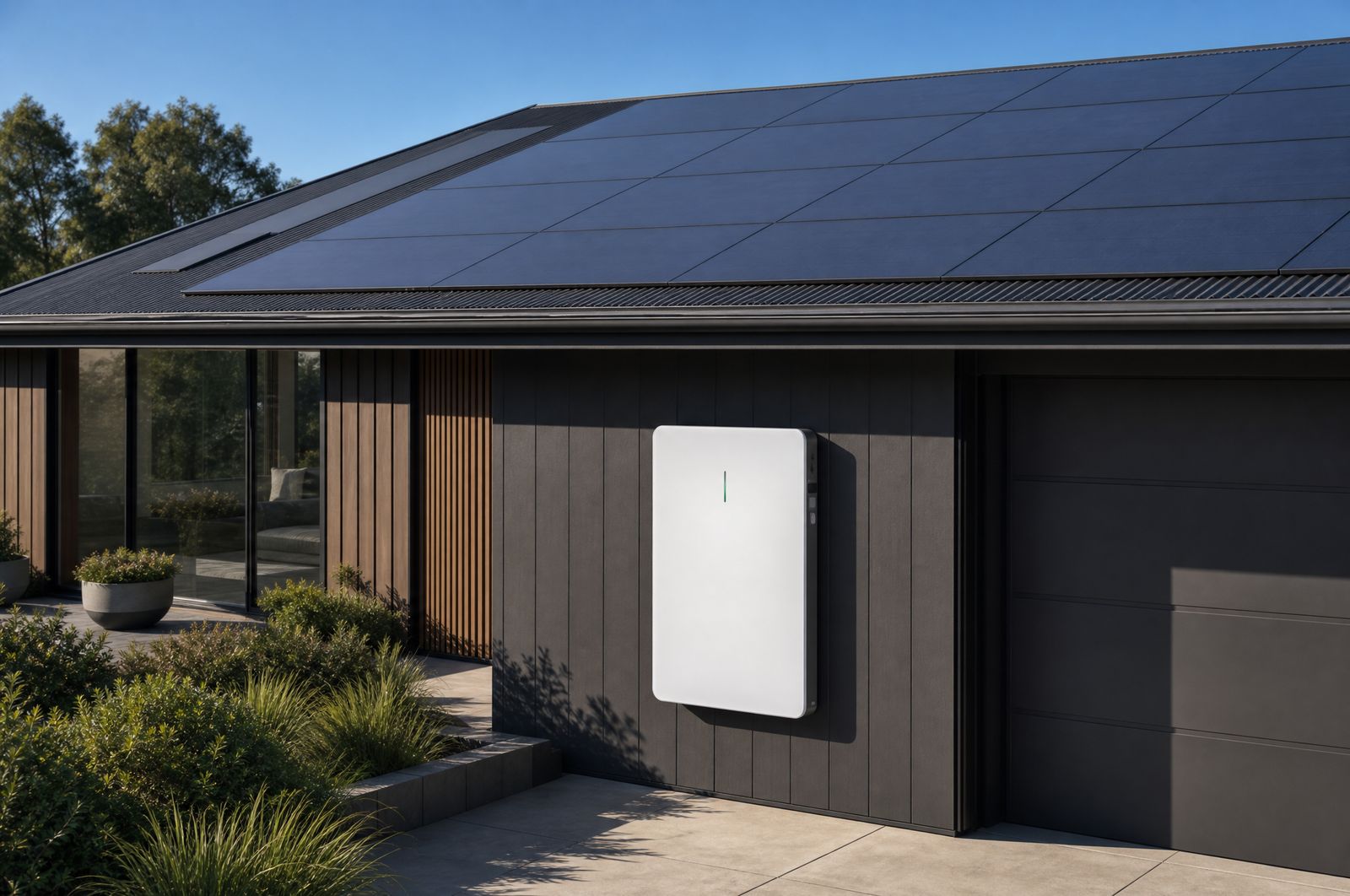
The discount works like the existing solar panel rebate: it's built into your installer's quote up front, not a cash-back you apply for after the fact. It's designed to step down gradually through to 2030 as battery costs fall, so the exact discount amount changes over time — always confirm the current rate with an accredited installer rather than relying on a figure from a previous year. See our solar rebate guide for how this fits alongside the separate STC scheme for solar panels themselves.
How much the rebate is worth
The discount is calculated as roughly 30% off the eligible cost of the battery and its installation, scaled to the system's usable capacity — larger batteries receive a larger dollar discount, in the same way STCs scale with a solar system's size. Because the exact formula and value step down periodically, the clearest way to see what it's worth is the price you actually pay after the discount:
| Battery capacity (usable) | Typical installed price (after federal discount) |
|---|---|
| 5–7 kWh | $8,000–$11,000 |
| 10–13 kWh | $11,000–$16,000 |
| 15 kWh+ | $16,000–$22,000+ |
Indicative Australian pricing, 2026, installed price after the federal discount is already applied. See our battery installation cost guide for the full breakdown, or our solar battery cost guide for equipment-only pricing by brand.
Search demand for this rebate spiked hard when the program launched and has been trending down since — that's normal for a new incentive settling into steady-state, not a sign the program is ending. It's still running; check the government page above for the current status before you assume otherwise.
Am I eligible?
- Battery size — usable capacity between 5 kWh and 100 kWh.
- Approved product — the battery model must be listed on the scheme's approved products register.
- Accredited installer — installation and commissioning must be done by a CEC-accredited installer with the battery-storage endorsement; this is also what makes your installer able to apply the discount at all.
- New or retrofit — both a battery installed alongside new solar and one retrofitted to an existing solar system can qualify, provided the overall installation meets the scheme's requirements.
- No separate application — you don't submit paperwork yourself; your installer handles the scheme's requirements as part of a compliant install.
Eligibility rules and the approved products list are maintained by the scheme, not by us or your installer — the official program page is the source of truth if a quote looks like it's missing the discount.
State top-ups: NSW and others
The federal discount is the baseline everywhere in Australia, but several states run their own additional battery incentives that can stack on top of it. NSW is the state homeowners ask about most, with its own scheme layered on the federal program through the state's energy savings mechanism. Other states periodically run their own top-ups or interest-free loan schemes for batteries.
State-level schemes change more often than the federal program and vary by eligibility, funding round, and sometimes by network area — so treat any specific state figure as a starting point, not a guarantee. Check Energy NSW (or your own state's energy department) for what's currently open, and ask your installer to confirm which state incentives, if any, apply to your address before you compare quotes.
What the rebate doesn't cover
- Solar panels themselves — the battery discount is separate from the STC rebate for solar panels; see our solar rebate guide for panel-side incentives.
- Non-accredited installs — if the installer or product isn't accredited/listed, the discount doesn't apply, regardless of the battery's price.
- A cash payment to you — it's a discount built into the quoted price, not money paid to the homeowner after purchase.
- Every battery on the market — only models on the approved products register qualify; some budget or newly-released units may not be listed yet.
How to claim it
There's nothing to fill in yourself — the discount is applied by an accredited installer as part of a compliant quote. In practice:
- Get quotes from CEC-accredited installers and confirm the price shown already has the federal discount applied, not added as a separate line item you'd need to chase.
- Ask whether any state top-up (see above) applies to your address and whether the installer has factored it in.
- Confirm the specific battery model is on the approved products register before you sign.
- Compare two to three quotes — the battery discount is fixed by the scheme, but installation labour and any state top-ups can still shift the final price.

A free on-site assessment gives you a fixed, itemised price with the current federal discount — and any eligible state top-up — already applied. See our battery installation guide for what happens after you accept a quote.
Common questions
What is the solar battery rebate in Australia?
It's the federal Cheaper Home Batteries Program — a discount of roughly 30% off an eligible home battery (5–100 kWh), applied by your CEC-accredited installer at point of sale rather than claimed back afterwards.
How much is the home battery rebate worth?
It scales with battery size and steps down gradually through to 2030, so the exact value changes over time. Most homes end up paying $8,000–$16,000 installed for a 5–13 kWh battery after the discount is applied — get a current quote rather than relying on last year's figure.
Is there a separate solar battery rebate in NSW?
NSW runs its own additional incentive that can stack on top of the federal discount. Availability and value change more often than the federal program, so confirm the current NSW scheme with Energy NSW or your installer before you compare quotes.
Do I need to apply for the battery rebate myself?
No. A CEC-accredited installer applies the discount directly to your quoted price as part of a compliant installation — there's no separate application or claim-back process for you to complete.
Does the rebate cover solar panels too?
No. The Cheaper Home Batteries Program only covers eligible battery systems. Solar panels are covered separately by the STC scheme — see our solar rebate guide for how the two work together.