How Much Does a 6.6kW Solar System Cost in Australia?
A 6.6kW solar system — the standard size for most Australian homes — typically costs $5,000–$8,500 fully installed in 2026. That's the real out-of-pocket price after the federal STC (Small-scale Technology Certificate) rebate is applied at point of sale, not a pre-rebate sticker figure, and it already includes panels, inverter, mounting, and SAA-accredited installation.
This guide breaks down what's in that price, what a fair price per watt looks like, what pushes it up or down, what a battery adds, and roughly how long a 6.6kW system takes to pay for itself.
Key takeaways
- A 6.6kW system costs $5,000–$8,500 installed in 2026, after the STC rebate.
- That works out to roughly $0.75–$1.30 per watt post-rebate — a quick way to sanity-check any quote.
- Adding a battery typically lifts the total to $13,000–$24,500+, depending on battery capacity.
- Payback on a panels-only system is typically 3–6 years — one of the fastest in the world, thanks to the rebate and high Australian power prices.
What a 6.6kW solar system costs in Australia
A 6.6kW solar system is the most commonly installed residential size in Australia — typically 16–17 panels rated around 390–410W each, paired with a 5kW inverter (inverters are usually sized slightly under the panel array, which is standard practice, not a shortfall). Here's what that size typically costs installed, alongside the next size up:
| System size | Typical installed price (after STC rebate) |
|---|---|
| 6.6kW (16–17 panels) | $5,000–$8,500 |
| 10kW | $8,000–$12,000 |
These are all-in, GST-inclusive prices for a standard install — see our solar panel installation cost guide for the full size-by-size breakdown and what a legitimate installation quote should itemise.
Sanity-check a 6.6kW quote with cost per watt
The fastest way to check whether a 6.6kW quote is in the right range is cost per watt ($/W): divide the total installed price (after the STC rebate, including GST) by the system size in watts. A $6,600 quote for a 6,600W system works out to exactly $1.00/W.
- Under $0.75/W — unusually cheap; check the panel and inverter brand named on the quote before assuming it's a bargain.
- $0.75–$1.30/W — the typical range for a quality 6.6kW install with a known Tier 1 panel brand.
- Over $1.30/W — worth asking what's driving the premium (roof complexity, premium equipment, or an add-on you didn't ask for).
This is a sanity check, not a substitute for comparing full written quotes — see getting an accurate quote below.
What changes your 6.6kW price
Within the $5,000–$8,500 range, several things move your actual price up or down:
- Roof type and pitch — tile roofs generally cost more to mount on than Colorbond or metal roofing; steep or multi-storey roofs add scaffolding and time.
- Panel and inverter brand — premium Tier 1 panels and name-brand inverters cost more than budget equipment, though both still qualify for the STC rebate.
- Switchboard condition — an older switchboard that needs an upgrade before a solar connection adds to the job.
- STC price movement — the rebate value is tied to the tradeable STC price, which moves with the market, so the same system can quote slightly differently month to month.
- Installer overheads and demand — pricing varies by state and by how busy local Clean Energy Council-accredited installers are.
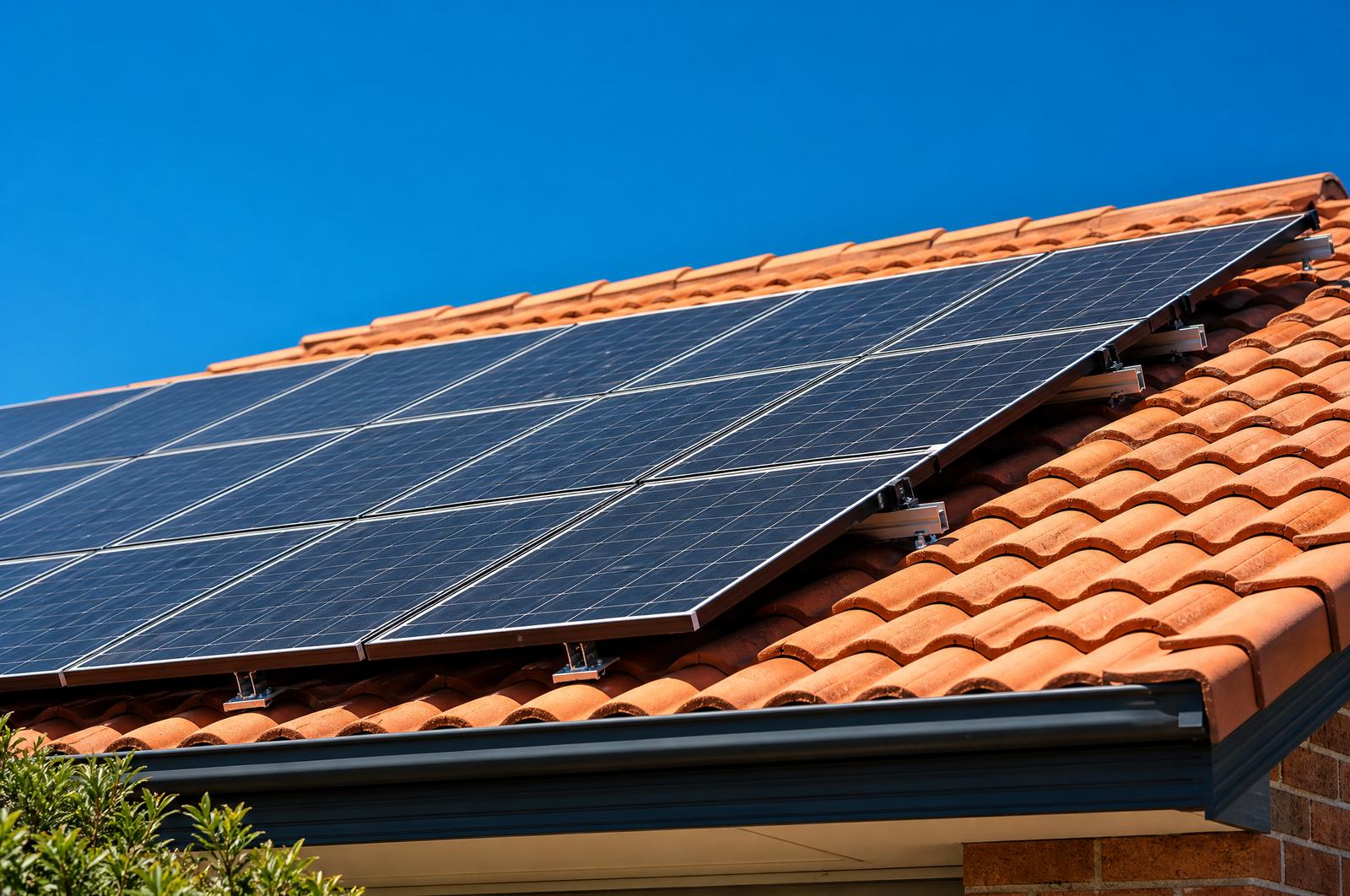
Adding a battery to a 6.6kW system
Adding a battery to a 6.6kW system typically lifts the installed total to $13,000–$24,500+, since a home battery alone runs $8,000–$16,000 installed after the roughly 30% federal battery discount. A battery lets you use daytime generation in the evening and during outages, but many Australian homeowners start panels-only and add a battery later once the panels-only system has paid down some of its cost. See our solar battery installation cost guide for pricing by battery capacity, and solar battery rebate guide for how the federal and state battery incentives stack with the STC rebate on the panels.
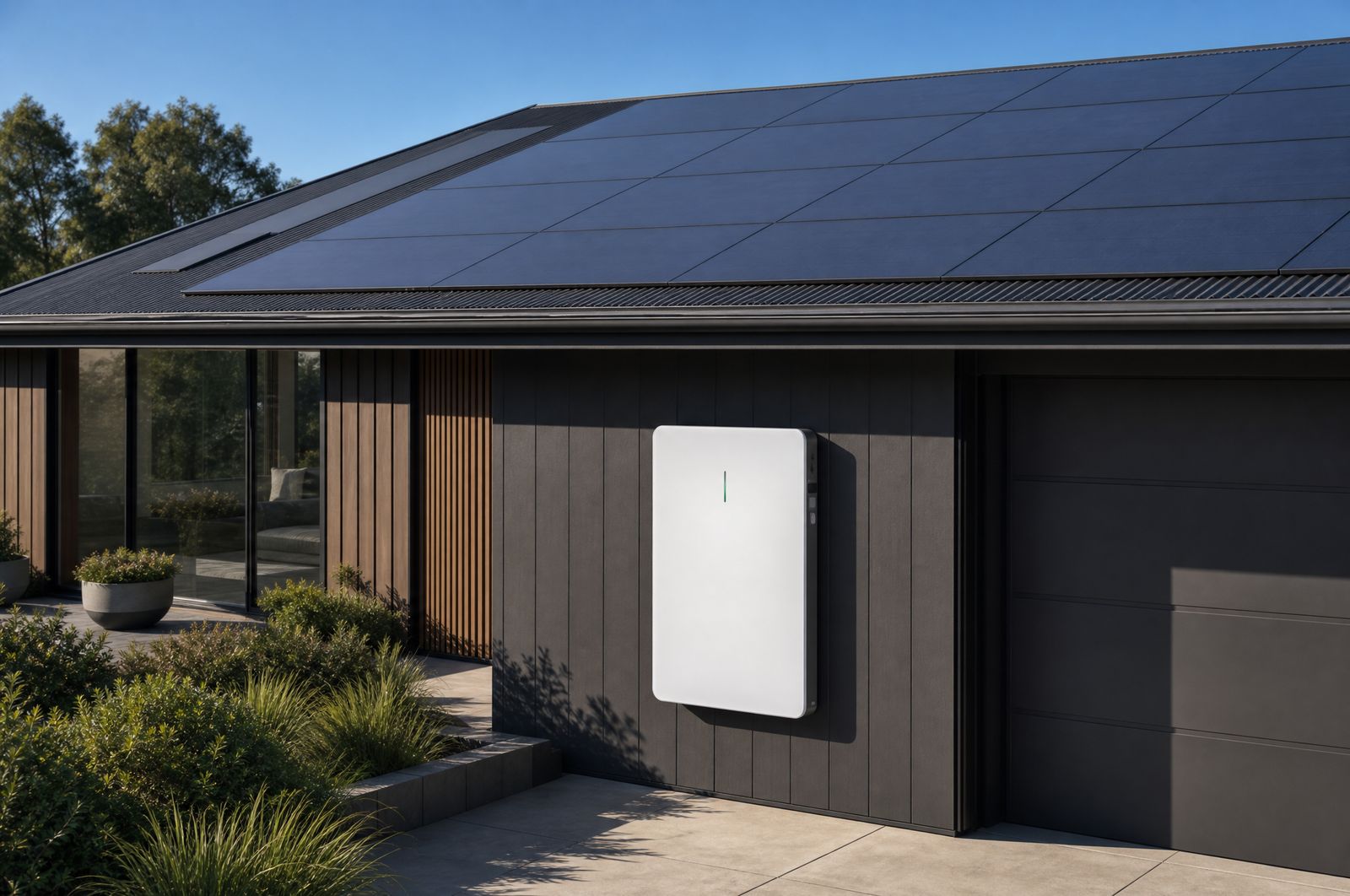
How long a 6.6kW system takes to pay for itself
A 6.6kW system without a battery typically pays for itself in around 3–6 years in Australia — one of the fastest payback periods in the world, thanks to the STC rebate lowering the upfront price and Australia's comparatively high retail electricity rates making avoided power costs add up quickly. Sunnier regions, higher daytime-usage households, and higher self-consumption sit toward the faster end of that range; adding a battery extends payback, since it adds significantly to the upfront cost without proportionally increasing savings for every household. See is solar worth it in Australia for the full payback and savings walkthrough, and solar panel maintenance for what keeps a system generating at that rate over its life.
Getting an accurate 6.6kW quote
A desktop estimate is always a range — your roof, location, and switchboard condition decide the exact number, and the only way to get that is a site assessment. When comparing 6.6kW quotes:
- Confirm the price is all-in (panels + inverter + installation + grid connection paperwork), not equipment-only with labour "to be quoted."
- Check the installer is Clean Energy Council-accredited — required for the STC rebate to apply at all.
- Confirm the STC discount is already applied in the quoted price, not added as a separate rebate you have to chase yourself.
- Ask for the panel and inverter brand and model by name, not just a wattage figure.
Common questions
How much does a 6.6kW solar system cost in Australia?
Typically $5,000–$8,500 fully installed in 2026, after the federal STC rebate is applied at point of sale. The exact price within that range depends on your roof type, the panel and inverter brand you choose, and your installer's location — a larger 10kW system typically runs $8,000–$12,000.
Is the STC rebate already included in that price?
Yes — a legitimate quote from a Clean Energy Council-accredited installer applies the STC discount at point of sale, so the $5,000–$8,500 range is the real out-of-pocket cost, not a pre-rebate figure. Always confirm the discount is shown already deducted, not added as a separate rebate you have to claim yourself.
What does $0.75–$1.30 per watt mean?
It's the installed price divided by system size in watts, a quick way to sanity-check a quote. A 6.6kW ($6,600W) system priced in the typical $5,000–$8,500 range works out to roughly $0.75–$1.30/W after the rebate.
How much does adding a battery cost?
A home battery typically adds $8,000–$16,000 installed after the roughly 30% federal battery discount, bringing a 6.6kW system with battery to roughly $13,000–$24,500+ depending on capacity. Many homeowners install panels first and add a battery later, once the panels-only system has started paying for itself.
How long does a 6.6kW system take to pay for itself?
Typically 3–6 years for a panels-only system — among the fastest payback periods worldwide, thanks to the STC rebate and Australia's high retail power prices. Sunnier regions and higher daytime power use tend toward the faster end of that range; adding a battery extends payback, since it adds significant upfront cost.