How solar panel installation works in Australia
Solar panel installation in Australia usually takes about a day on the roof, following an on-site assessment and a short design-and-approval phase. Every installer in the Solar Alliance network is accredited by Solar Accreditation Australia (SAA) — the Clean Energy Regulator-appointed body that replaced the Clean Energy Council's installer scheme in 2024 — which is what keeps your system eligible for the federal STC rebate.
Here's exactly what happens from first enquiry to a switched-on system, and how to make sure you pick a good installer.
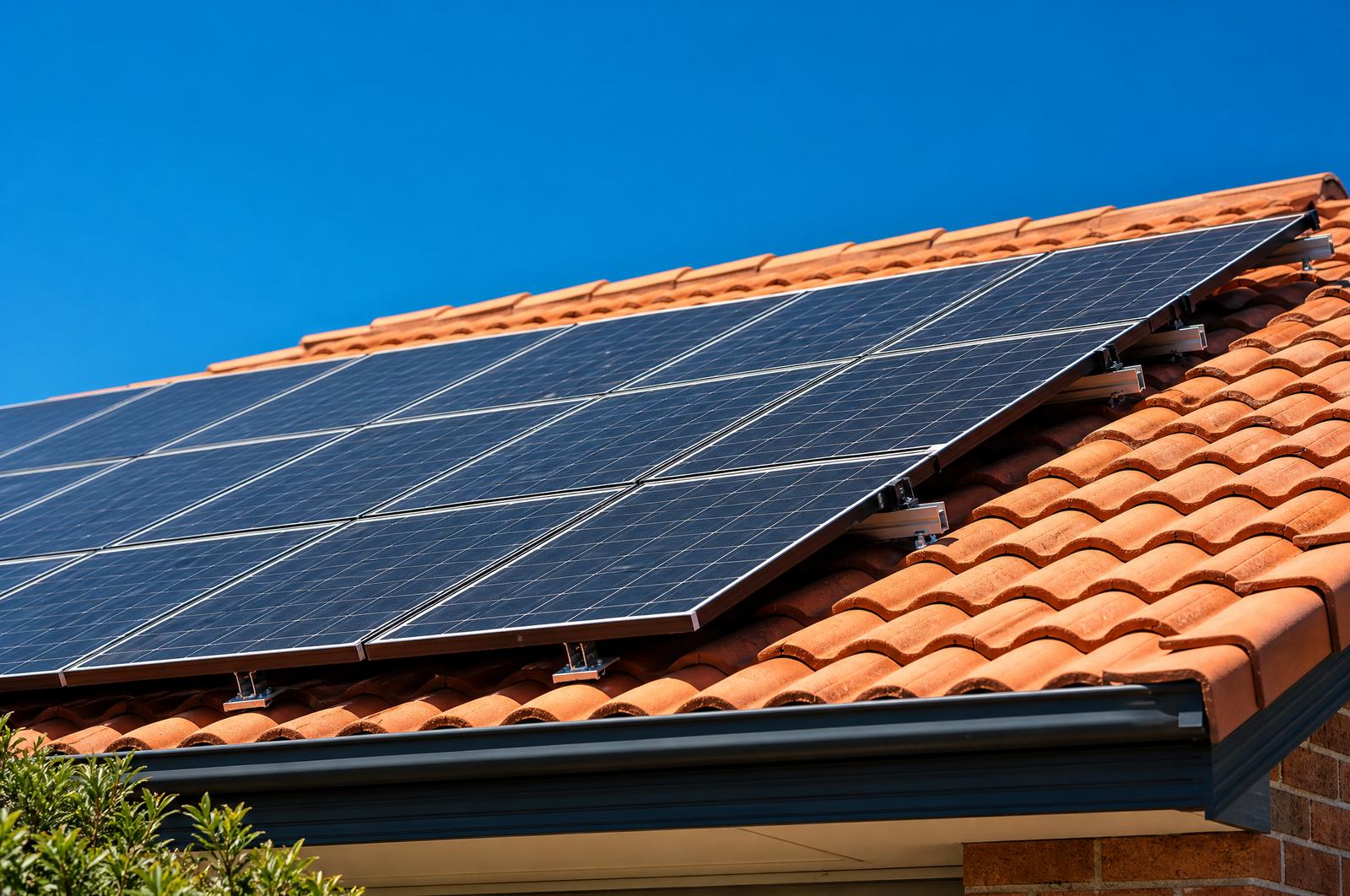
The installation process, step by step
- On-site assessment (~1 hour) — an accredited installer assesses your roof (orientation, pitch, condition, shading), reviews your power bills, and sizes a system. You get a written quote with the federal STC rebate already applied — no obligation.
- Design and grid approval (1–3 weeks) — the installer designs the system and lodges a connection application with your local network distributor (DNSP). Most standard rooftop installs don't need council or development approval.
- Installation (about a day) — panels and racking are mounted, cabling is run, and the inverter is installed and connected by a licensed electrician. A standard 6.6 kW system is usually done in a single day.
- Meter and grid connection — your electricity retailer reconfigures or installs a bi-directional (import/export) meter so you're credited for the power you export.
- Switch-on and monitoring — the system is commissioned and safety-tested, and you get a monitoring app to track generation and savings.
SAA accreditation — why it matters
Since 2024, solar installers in Australia are accredited by Solar Accreditation Australia (SAA), the body appointed by the Clean Energy Regulator to run installer and designer accreditation. It replaced the Clean Energy Council's long-running scheme, though the CEC still maintains the Approved Solar Retailer code and the approved-products lists.
This matters for two reasons. First, your system is only eligible for the federal STC rebate if it's installed by an SAA-accredited installer — using an unaccredited installer can cost you thousands. Second, a solar system is a permanent, grid-connected electrical installation on your home, so workmanship affects both safety and performance. Every installer in the Solar Alliance network is SAA-accredited and signed up to the CEC Approved Solar Retailer code.
How long does the whole process take?
From first enquiry to a switched-on system is typically 2–5 weeks. The on-roof work is the quick part (usually a day); most of the elapsed time is the design, the DNSP connection approval, and your retailer reconfiguring the meter to record exports — which can take a couple of weeks on its own. Complex roofs, switchboard upgrades, or three-phase connections can add time, and a good installer will flag these at the assessment.
How to choose a good solar installer in Australia
The installer matters more than the brand of panel. Look for:
- SAA accreditation — required for your system to qualify for the federal STC rebate
- CEC Approved Solar Retailer — a signatory to the industry consumer-protection code
- A licensed electrician and appropriate public-liability and workmanship insurance
- Approved equipment — panels and batteries from the CEC approved-products lists
- Genuine local reviews — from customers in your area, not just a national average
- A clear written quote — itemised, with the equipment specified, not a vague headline price

Rather than vetting installers yourself, Solar Alliance connects you with a local installer who already meets every one of these standards — and arranges your free assessment. Find solar quotes near you.
After installation
Once commissioned, your system runs automatically. You'll use a monitoring app to see real-time generation and savings, and switch to a retailer with a competitive feed-in tariff for the power you export. Solar needs very little maintenance — an occasional visual check and keeping panels reasonably clear of debris. Most panels carry 25-year performance warranties and inverters 5–10 years.
Wondering whether it all adds up for your home? See whether solar is worth it, what solar panels cost in Australia, or whether to add a battery.
Common questions
How long does solar installation take in Australia?
The on-roof installation for a standard system usually takes about a day. The full process from enquiry to a switched-on system is typically 2–5 weeks, most of which is design, DNSP connection approval, and your retailer reconfiguring the meter to record exports.
Who is allowed to install solar panels in Australia?
Solar must be installed by an installer accredited by Solar Accreditation Australia (SAA) for your system to qualify for the federal STC rebate. SAA replaced the Clean Energy Council's accreditation scheme in 2024. Every installer in the Solar Alliance network is SAA-accredited.
Do I need council approval to install solar panels?
Most standard residential rooftop installs do not need council or development approval — your installer lodges the grid-connection application with your network distributor (DNSP). Heritage overlays, strata properties and unusual roofs can be exceptions.
What happens on solar installation day?
Installers mount the panels and racking, run the cabling, and install and connect the inverter, usually in a garage or on an external wall. A licensed electrician completes the connection and safety testing, then the system is commissioned.
How do I choose a good solar installer in Australia?
Check for SAA accreditation, CEC Approved Solar Retailer status, a licensed electrician, appropriate insurance, approved equipment, genuine local reviews, and a clear itemised written quote. Solar Alliance connects you only with installers who meet all of these.