Solar Rebate ACT: What Canberra Households Can Actually Claim in 2026
The ACT doesn't run a standalone cash rebate for solar panels. Canberra households claim the same federal Small-scale Technology Certificate (STC) discount available nationwide, and can separately access a low-interest loan through the ACT Government's Sustainable Household Scheme (SHS) — though panels themselves now have restricted eligibility under that loan, which today is used mostly for batteries and other electrification upgrades.
If you searched "solar rebate ACT" expecting a dedicated panel subsidy, that's the honest answer: the panel-side discount is the same federal STC scheme that applies in every state (see our national solar rebate guide for how it works), and the ACT's own scheme has shifted toward battery storage and home electrification rather than new solar installs.
This guide breaks down exactly what's available to ACT households in 2026, what changed with the Sustainable Household Scheme, and how the ACT's deregulated feed-in tariff market affects your ongoing savings.
What ACT solar incentives are actually available
In short, ACT solar incentives in 2026 come from three separate sources, not one rebate: the federal STC discount on panels, the ACT Sustainable Household Scheme loan (now mainly for batteries), and an uncapped, retailer-set feed-in tariff for exported power. There's no ACT-specific cash rebate that applies to solar panels — a common assumption carried over from states that have run one-off panel rebates. Canberra households working out their 2026 incentives are dealing with three separate mechanisms:
- Federal STCs — a point-of-sale discount on the panel and inverter system, applied by your installer, available in every state and territory including the ACT.
- ACT Sustainable Household Scheme (SHS) — a territory government low-interest loan, now focused mainly on batteries and other electrification upgrades rather than new panel installs (see below).
- Deregulated feed-in tariffs — unlike some states, the ACT doesn't set a minimum feed-in rate; it's negotiated retailer by retailer.
For a state that still runs a comparable low-interest battery loan alongside its rebate, see our South Australia solar rebate guide; for financing options that apply Australia-wide, see our solar finance guide.
Federal STCs: the national discount that applies in the ACT
Small-scale Technology Certificates (STCs) are the federal, point-of-sale discount applied to nearly every rooftop solar install in Australia, including the ACT — they are not a separate "ACT rebate," they're the same national scheme every state and territory uses. STCs are created under the Small-scale Renewable Energy Scheme (SRES), administered by the Clean Energy Regulator. When you install eligible solar panels, your system generates a number of certificates based on its size, your location's solar "zone," and the years remaining before the scheme's legislated step-down. Your installer typically assigns these certificates to a registered agent in exchange for an upfront discount on your quote — most Canberra households never handle the paperwork directly.
The exact dollar value moves with the STC market price and the scheme's step-down schedule, so it isn't a fixed figure — it typically discounts a meaningful share of the upfront system cost, and a compliant quote should show it as a separate line-item deduction rather than folded into a single headline price. For the current certificate value and zone ratings, the Clean Energy Regulator publishes the authoritative figures.

Two things catch ACT homeowners out: the STC discount only applies to Clean Energy Council-approved panels and inverters installed by a CEC-accredited installer — an uncertified install forfeits it entirely — and the certificate value is set at the time of installation, not the time of quoting, so a quote that's gone stale by a few months is worth re-checking before you sign.
ACT Sustainable Household Scheme: what it covers now
The ACT Sustainable Household Scheme (SHS) is a territory government loan — not a grant or rebate — that lets eligible Canberra households borrow at a reduced interest rate for eligible electrification products, primarily batteries as of 2026. The Sustainable Household Scheme, run by the ACT Government, offers eligible households a low-interest loan — currently a 3% interest rate with no upfront costs or fees, repayable over up to 10 years. From 1 July 2026, new applicants can borrow up to $20,000 (up from the previous $15,000 cap) across the life of the scheme.
The important change for anyone searching "solar rebate ACT": from 1 July 2025, rooftop solar panels lost the broad eligibility they previously had under the SHS (a transition window let quotes approved before that date proceed if installed by 1 November 2025). In practice, the scheme today is overwhelmingly used for battery storage and other electrification upgrades — heat pump hot water, electric heating and cooling, EV chargers — rather than funding a new panel install. Solar panel eligibility under the loan is now restricted rather than open, so confirm current product eligibility directly with the official Sustainable Household Scheme page before assuming your quote qualifies.
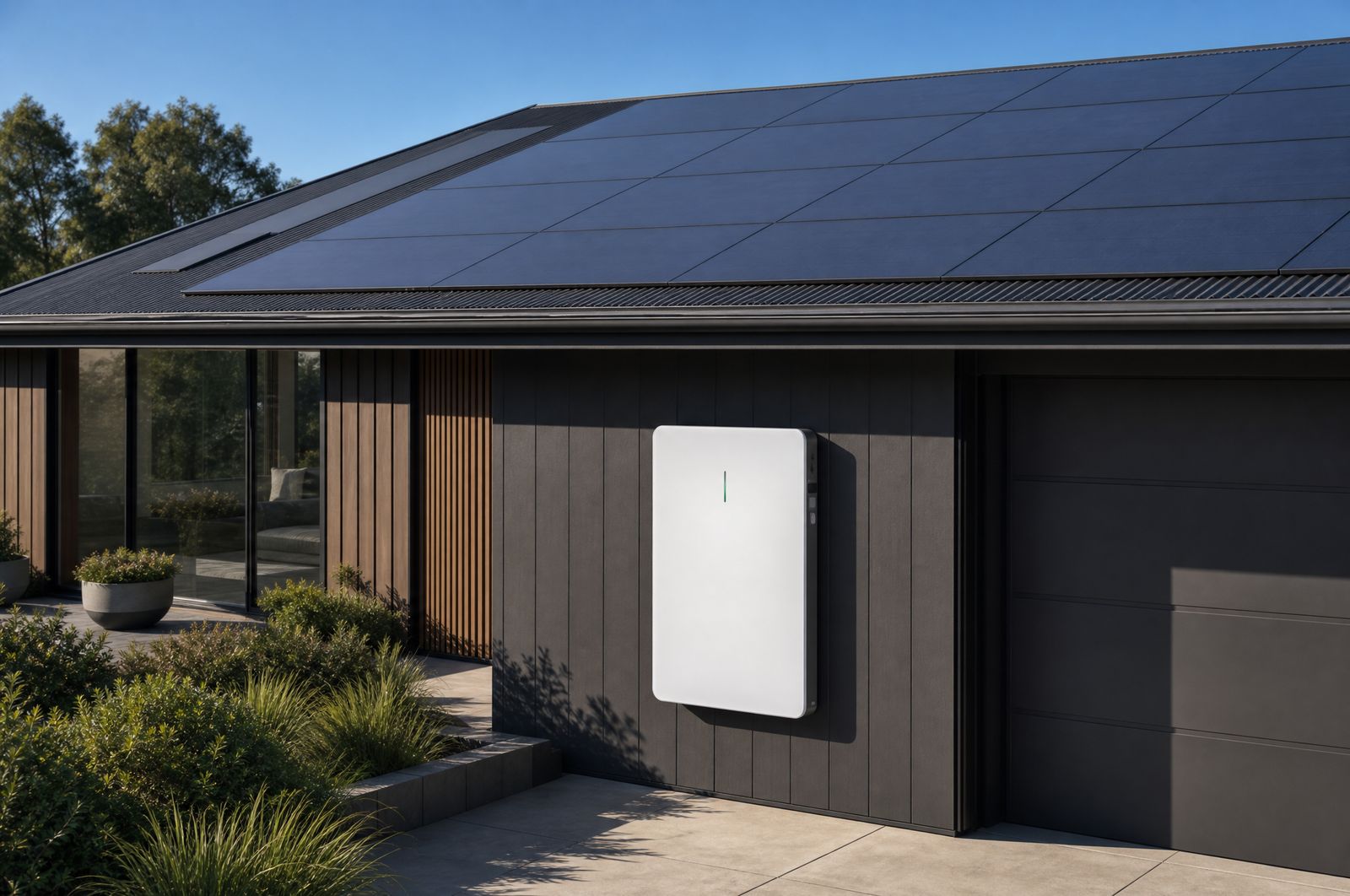
If you're adding a battery, the SHS loan can typically be used alongside the federal Cheaper Home Batteries Program discount, since one is a repayable loan and the other is a point-of-sale rebate — ask your installer for a written breakdown of both before signing rather than assuming they stack automatically.
ACT feed-in tariffs: not regulated like some other states
A feed-in tariff is the per-kWh credit a retailer pays you for solar power your system exports to the grid. Unlike jurisdictions that set a minimum feed-in tariff, the ACT's feed-in rate is not government-regulated — it's set voluntarily by each electricity retailer, so the rate you're offered depends entirely on who you're with. As of September 2026, published retailer comparisons show ACT rates spanning roughly 5c to mid-20c per kWh, a wide enough gap that the retailer you choose can matter as much as your system size for what you actually get paid for exported power.
Because rates change and aren't set by government, don't rely on a figure quoted in a sales pitch — compare current offers on the Australian Government's Energy Made Easy tool, or check the ACT Government's own solar feed-in tariff page, before locking in a retailer.
Who qualifies
| Incentive | Applies to | Who's eligible |
|---|---|---|
| Federal STCs | Solar panels + inverter | Any ACT property owner using a CEC-accredited installer and CEC-approved gear |
| ACT Sustainable Household Scheme | Mainly battery storage and other electrification upgrades; solar panel eligibility restricted since 1 July 2025 | ACT homeowners meeting the scheme's income and residency criteria — confirm current product eligibility with the scheme directly |
| Feed-in tariff | Exported solar power | Any ACT household with an eligible retailer plan; rate varies by retailer, not government-set |
Renters and strata/apartment residents generally can't access the panel-side STC discount directly, since the system has to be owned outright by the applicant — check with your body corporate and the scheme administrator before assuming eligibility for either program.
How to actually claim it
For most ACT households, there's no separate application for the STC discount — it's applied automatically as a quote-time deduction by any CEC-accredited installer, since they handle the certificate assignment on your behalf. Your job is to confirm it's itemised on the quote rather than folded silently into a headline price.
The Sustainable Household Scheme loan does require a separate application through the scheme, plus confirmation that your chosen product is currently eligible — given the 2025 change to panel eligibility, it's worth checking this before you get a quote, not after, so you're not budgeting around a loan that no longer covers what you're installing.
Common questions
Is there a separate ACT solar panel rebate?
No — the ACT doesn't run its own cash rebate for solar panels. ACT households get the same national STC discount available in every state and territory, applied by their installer at quote time.
Can I still use the Sustainable Household Scheme loan for solar panels?
Eligibility for solar panels under the SHS loan was restricted from 1 July 2025 (with a transition window for quotes already approved before that date). The scheme today is used mainly for battery storage and other electrification upgrades — check current product eligibility with the scheme directly before assuming your panel quote qualifies.
How much can I borrow under the ACT Sustainable Household Scheme?
From 1 July 2026, new applicants can borrow up to $20,000 at a 3% interest rate with no upfront fees, repayable over up to 10 years. Households that took out or applied for a loan before that date have a $15,000 cap.
Are feed-in tariffs regulated in the ACT?
No. Unlike some other states, the ACT doesn't set a minimum feed-in tariff — retailers set their own rates voluntarily, and published rates vary widely, so it's worth comparing offers before choosing a retailer.
Can renters in the ACT claim these incentives?
Generally no. The STC discount requires the applicant to own the system outright, which usually rules out renters unless the property owner applies directly — the Sustainable Household Scheme loan has its own separate eligibility criteria.