Do Solar Panels Need Maintenance in NZ?
Solar panel maintenance is the upkeep needed to keep a system generating at its rated output — in practice, an occasional clean, an annual visual check, and periodic inverter servicing, not a demanding repair schedule. Most NZ installations run for years on nothing more than rain-rinsing and a look-over, and even a professional clean, when one is worthwhile, typically runs $150–$300 per visit rather than being a recurring bill. The panels themselves have no moving parts to wear out; the inverter is the one component that ages faster and occasionally needs servicing or replacement.
Quick answer: budget for an annual visual check, a clean every 1–2 years (more often near the coast, under trees, or on a busy road), and an inverter that typically lasts 10–15 years against a panel lifespan of 25 years or more — see our 6kW solar system cost guide for what the original install typically costs.
Do solar panels need maintenance?
Solar panels are largely maintenance-free by design — they have no moving parts, so there's nothing inside them to wear out the way a motor or pump would. What upkeep they do need is mostly about keeping the panel surface clear so sunlight reaches the cells, plus keeping an eye on the electronics that convert that sunlight into usable power.
- Panels — occasional cleaning if dust, pollen, or bird droppings build up; an annual visual check for cracks, loose mounting, or shading from new tree growth.
- Inverter — the component most likely to need attention; it has a fan and internal electronics, runs for years unattended, but is also the part most likely to eventually need servicing or replacement within the system's lifetime.
- Wiring and mounting — checked as part of a routine inspection rather than maintained on a schedule; a licensed electrician checks this during any inverter service call.
In practice, most NZ homeowners spend little to nothing on maintenance in a typical year — it becomes a real cost only every few years, for a clean or an inverter check. That holds regardless of system size, whether you're maintaining a compact starter setup or the larger arrays sized in our solar panel sizing guide.
Solar panel cleaning cost and frequency in NZ
NZ's regular rainfall does a lot of the cleaning job for free — a north-facing roof at a typical panel tilt sheds most dust and light grime in the next decent rain. That means many NZ households never pay for a dedicated clean, and it's the exception rather than the rule.
| Situation | Typical cleaning need | Approx. cost (2026) |
|---|---|---|
| Standard suburban roof, regular rain | Rarely, if ever | $0 (rain does the work) |
| Dusty, rural, or under trees | Every 1–2 years | $150–$300 per visit |
| Coastal (salt spray) or near a busy road | Annually | $150–$300 per visit |
Ranges are typical for a professional clean of a standard NZ residential system; get a fixed quote for your own roof rather than budgeting off these figures alone.
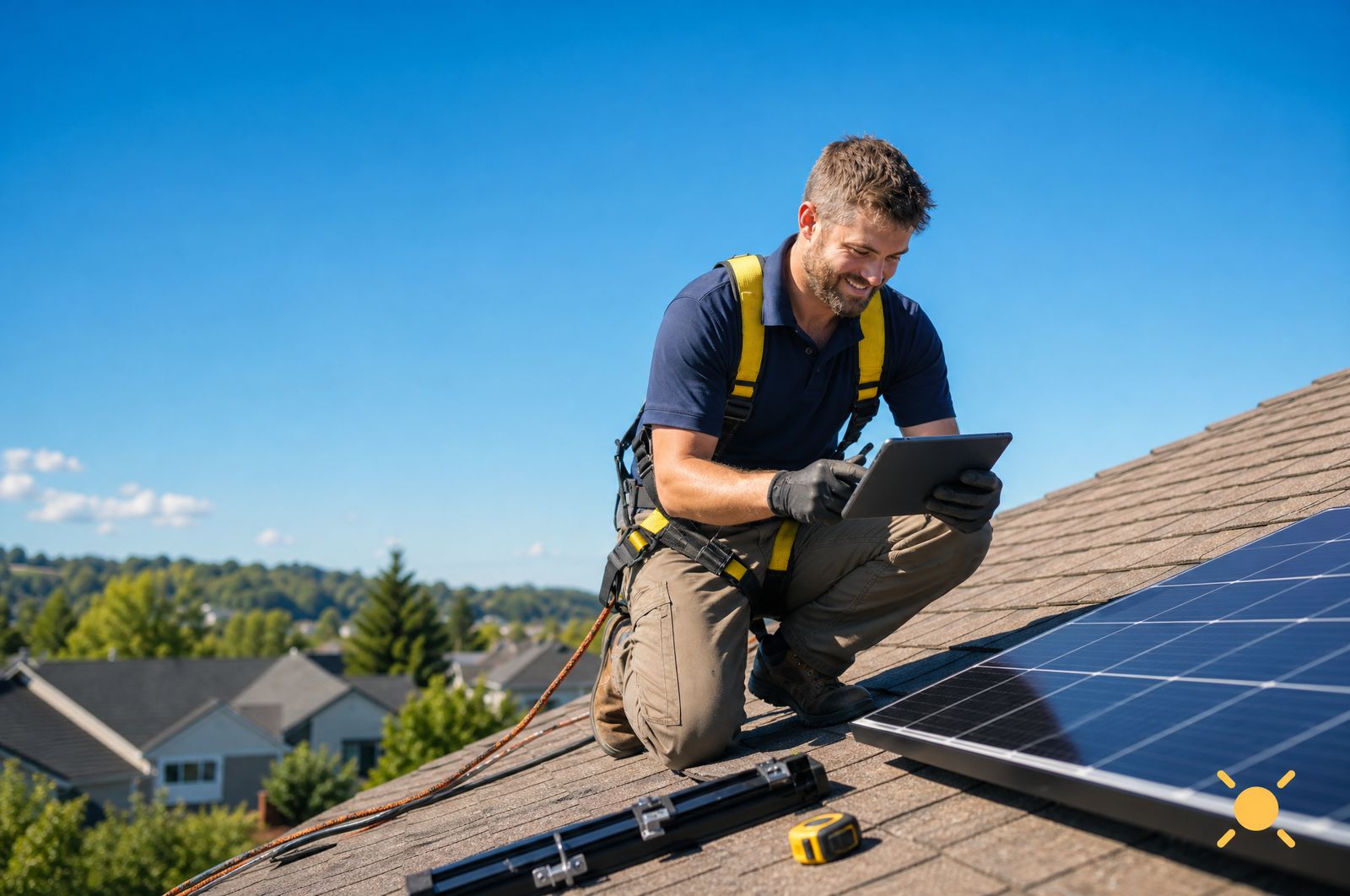
Signs it's worth booking a clean sooner: a visible layer of dust or pollen film, bird droppings concentrated on part of the array, or a noticeable drop in generation on a clear day compared with the same time last year (check this against your inverter app or monitoring, not guesswork). A soft rinse from the ground with a garden hose is fine between professional cleans on a single-storey roof you can safely reach — avoid pressure washers and abrasive brushes, which can scratch the anti-reflective coating and affect output.
Panel lifespan and degradation
Quality solar panels are built to keep producing power for 25 years or more, with output declining very gradually rather than dropping off a cliff. Most manufacturers back this with a performance warranty guaranteeing the panel will still produce a large majority of its original output — commonly in the 80–90% range — after 25 years, with the exact figure varying by brand and panel tier.
- Degradation is gradual — a well-made panel loses only a small fraction of its output each year, which is why 25-year performance warranties are standard across reputable brands rather than a marketing outlier.
- Panels rarely fail outright — the more common pattern is a slow decline in output over decades, not a panel suddenly stopping production.
- Physical lifespan often exceeds the warranty — many installations keep generating meaningful power well past their 25-year performance warranty, just at a reduced output.
Ask any installer for the specific performance warranty percentage and term on the panel brand they're quoting — it varies enough between Tier 1 brands and budget panels that it's worth comparing alongside price, the same way you'd compare cost per watt across quotes.
Inverter servicing and replacement
The inverter — not the panels — is the part of a solar system most likely to need attention during its life. Inverters typically last around 10–15 years, meaning most NZ systems will need one inverter replacement over a 25-year panel lifespan.
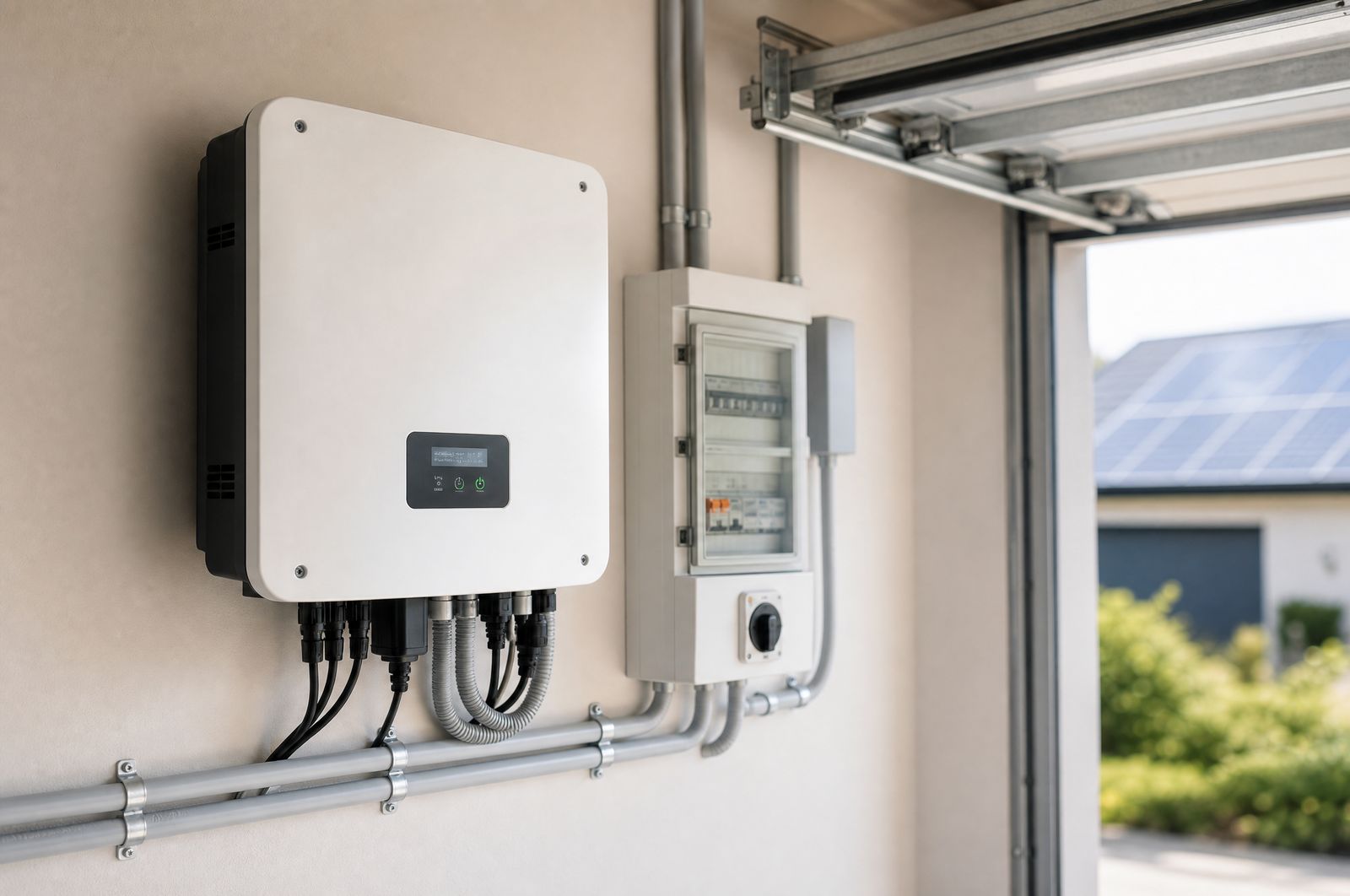
- What shortens inverter life — heat is the main factor, so an inverter mounted in a hot, unventilated space (like a sun-facing garage wall) tends to run harder than one in a cooler, shaded spot.
- Warning signs — error codes or warning lights on the unit, a fan running constantly or unusually loudly, or a drop in reported output that doesn't match a dirty-panel explanation.
- Who can work on it — inverter servicing and replacement is electrical work and must be carried out by an EWRB-registered electrician, not a general cleaner or handyman.
Because inverter replacement is a real, foreseeable cost partway through a system's life, it's worth asking any installer upfront what their inverter's warranty term is and what a replacement is likely to cost once that warranty ends.
Warranty considerations
Solar warranties in NZ typically come in two separate parts, and it's easy to conflate them when reading a quote:
- Product (parts) warranty — covers manufacturing defects in the physical panel or inverter, usually for a shorter term than the performance warranty.
- Performance warranty — guarantees the panel will still generate at least a set percentage of its original output after a set number of years (commonly 25), separate from the parts warranty.
- Installer workmanship warranty — covers the quality of the installation itself (mounting, wiring, weatherproofing), set by the installer rather than the panel manufacturer, and worth confirming in writing before you sign.
Keep records of any cleaning, inspection, or servicing carried out on the system — most warranty terms expect the system to have been reasonably maintained, and a paper trail makes any future claim faster to resolve. If in doubt about what a specific warranty covers, ask the installer to point to the clause before you rely on it.
DIY vs calling a professional
Most day-to-day upkeep is safe to do yourself; a smaller set of jobs should go to a professional.
- Safe to DIY — a visual check from the ground (binoculars help), a gentle hose-down from ground level or a safely accessible single-storey roof, and checking your inverter's display or app for error messages.
- Call a professional — anything requiring roof access on a multi-storey or steep roof, stubborn grime or hard-water/mineral deposits that a hose won't shift, suspected storm or hail damage, or any inverter fault or electrical concern.
- Don't — use a pressure washer, abrasive brush, or standard household glass cleaner on panels; these can scratch the coating or leave residue that affects output.
Getting onto a roof carries real fall risk and isn't necessary for panel upkeep in the vast majority of cases — ground-level checks and an occasional professional clean cover what most systems need.
What shortens panel life
A handful of factors do more than normal ageing to reduce a system's output over time:
- Shading from tree growth — trees planted small at install time can shade part of an array years later; even partial shading on one panel can drag down a whole string's output depending on the system's wiring.
- Bird droppings and nesting — concentrated droppings block light on the affected cells and can encourage pests to nest under panels if gaps aren't sealed.
- Salt spray and coastal exposure — accelerates grime buildup and, over the long term, can affect mounting hardware if it isn't marine-grade.
- Storm and hail damage — rare for quality panels, which are tested against significant impact, but worth a post-storm visual check after a severe event.
- Poor original installation — micro-cracks from careless handling or badly torqued mounting during install are a leading cause of premature underperformance, which is one reason installer quality matters as much as panel brand.
Common questions
Do solar panels need regular maintenance in NZ?
Very little. Most NZ systems need only an annual visual check and an occasional clean every 1–2 years — rain handles most day-to-day cleaning on a typical suburban roof.
How much does solar panel cleaning cost in NZ?
A professional clean typically costs $150–$300 per visit when one is needed — often not at all on a standard roof with regular rainfall, more often on dusty, rural, or coastal properties.
How long do solar panels last in NZ?
Quality panels are typically built for 25 years or more, backed by a manufacturer performance warranty guaranteeing a large majority of original output at the 25-year mark. Many keep producing meaningful power beyond that.
How often does a solar inverter need replacing?
Inverters typically last 10–15 years, so most systems need one inverter replacement over a panel's 25-year lifespan. Replacement must be done by an EWRB-registered electrician.
Can I clean my own solar panels?
A gentle ground-level hose-down is fine on a safely accessible roof. Avoid pressure washers or abrasive brushes, and leave multi-storey roof access, stubborn grime, or any electrical concern to a professional.